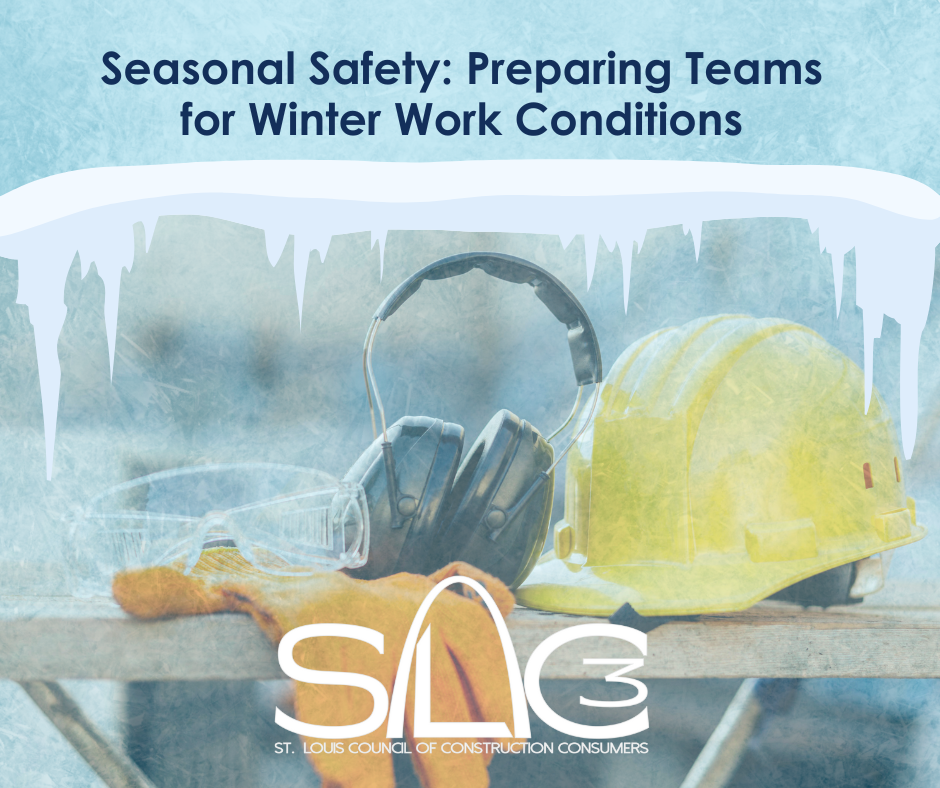
As winter approaches, AEC teams face a unique set of challenges that can affect everything from worker well-being to project schedules. Cold temperatures, shorter daylight hours, and icy conditions require a heightened focus on safety and preparation. Ensuring teams are ready for winter isn’t just good practice—it’s essential to keeping projects productive and people protected.
Understanding Winter Hazards
Winter conditions introduce risks that aren’t present during warmer months. Slips and falls become more likely on icy surfaces. Cold stress, hypothermia, and frostbite are real concerns for those spending long hours outdoors. Limited daylight and poor visibility can hinder communication and increase the chances of accidents. A proactive approach helps mitigate these seasonal dangers before they impact the jobsite.
Equipping Teams With Proper Gear
Cold-weather PPE is the first line of defense. Layered clothing, insulated and waterproof gloves, thermal headwear, and slip-resistant boots all play a critical role in keeping workers safe and comfortable. High-visibility outerwear is especially important as the sun sets earlier and visibility decreases. Ensuring PPE is dry and readily available helps maintain safety throughout the season.
Preparing the Jobsite
A winter-ready jobsite minimizes hazards and keeps work moving. Clearing snow and ice from pathways, ladders, scaffolding, and equipment reduces the risk of slips and equipment malfunctions. Additional lighting should be installed where needed, particularly for early morning and late afternoon tasks. Heated break areas or warming stations help workers recover from cold exposure and stay energized throughout the day.
Adjusting Schedules and Expectations
Winter requires flexibility. Adjusting start times, planning around weather forecasts, and factoring in extra time for safe movement can significantly reduce risks. Leaders should reinforce that safety—not speed—drives productivity during the colder months. Thoughtful planning protects both workers and project timelines.
Protecting Tools, Materials, and Equipment
Cold weather can impact equipment performance and material integrity. Winterizing equipment—checking fluids, batteries, and fuel systems—prevents breakdowns. Materials that are sensitive to temperature changes should be stored properly, and generators and heaters should be inspected regularly to ensure safe operation. A well-maintained jobsite keeps work moving even when conditions are less than ideal.
Emergency Preparedness and Communication
Clear communication saves time and lives. Establishing winter emergency protocols ensures everyone knows what to do when conditions worsen. Weather alerts, contact lists, and clear instructions help teams respond quickly. Stocking emergency kits with blankets, hand warmers, and first-aid supplies ensures workers are never caught unprepared.
Supporting Worker Health and Wellness
Even in cold weather, hydration remains essential. Warm meals, frequent breaks, and regular check-ins help workers maintain energy and stay alert. Ensuring your team feels supported goes a long way toward preventing fatigue and cold-related injuries.
Winter work conditions demand extra care, intentional planning, and strong communication. By preparing early and prioritizing safety every day, AEC teams can continue delivering quality work—while protecting the people who make it possible. With the right plans in place, winter becomes not a barrier, but a season of well-managed opportunity.