Generation Z And Work-Life Balance
Generation Z is changing the landscape of the work environment. These youngest employees will comprise a quarter of the global workforce by 2025. They are born between the mid-1990s and mid-2000s and they know what they want from their jobs. They refuse to submit to the toxic culture and are more interested in work-life balance. Gen Z and work-life balance is an important topic for companies and managers to focus on. Gen Z values transparency, openness, personal growth and career fulfilment. In this article, we discuss Gen Z’s vision of work-life balance, their characteristics and useful tips to improve this.
Who Are Gen Z Employees? Hint to other generations, you should better understand their differences. They are not you.
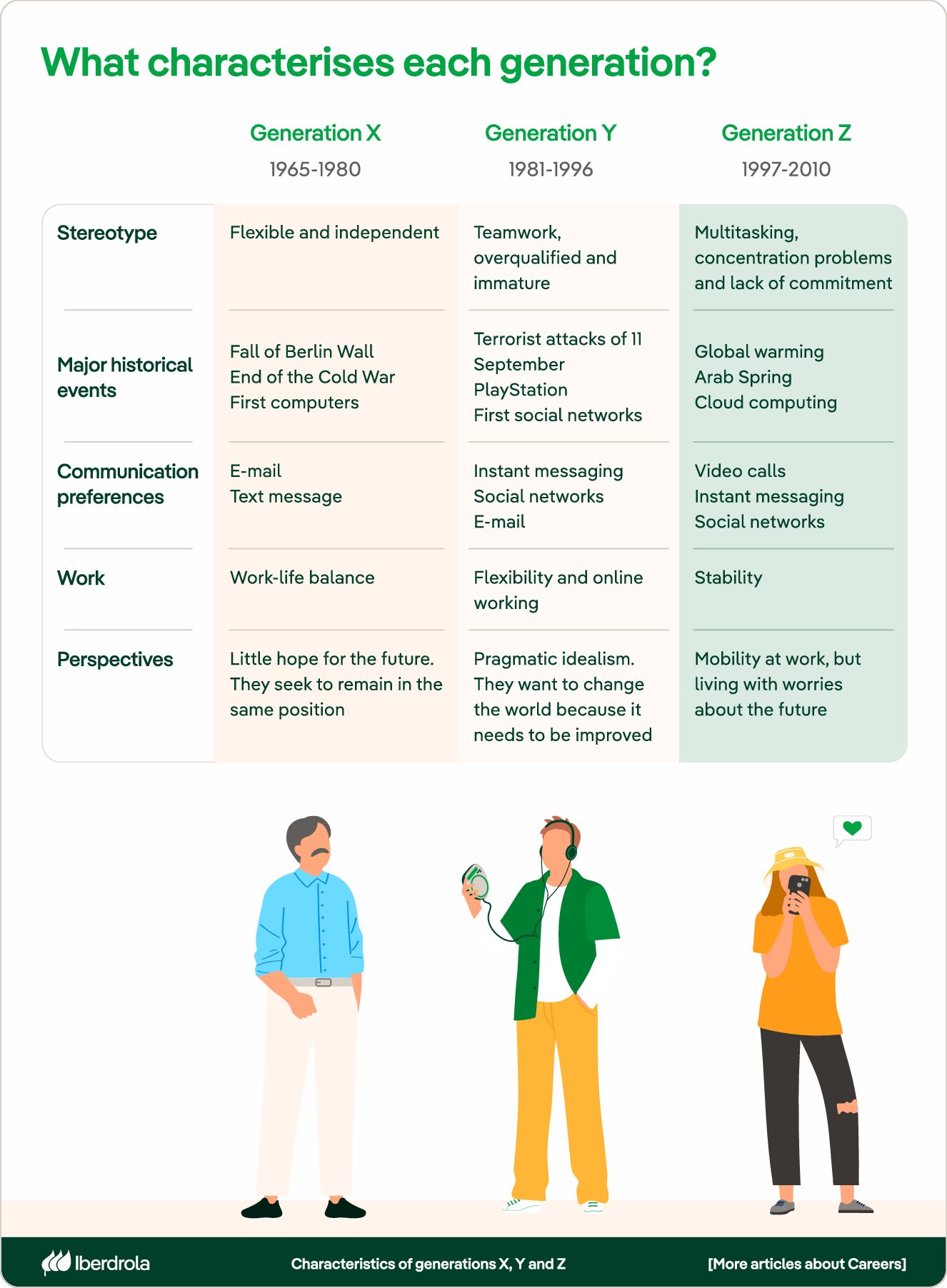
1. Who is Generation Z?
Birth Years: Mid-1990s to mid-2000s
Workforce Impact: Expected to make up 25% of the global workforce by 2025
Background:
- Digital natives (grew up fully immersed in technology)
- Descendants of Millennials (Gen Y), predecessors to Gen Alpha
- Highly connected, tech-savvy, and information-rich
2. Core Characteristics of Gen Z Employees
- Prefer in-person communication
- See technology as a peer/tool, not just a utility
- Enjoy competition
- Value transparency and authenticity
- Seek freedom, flexibility, and autonomy
- Prioritize work-life balance
- Realistic and practical about career growth
- Care deeply about sustainability and diversity
3. Gen Z’s Vision of Work-Life Balance
Gen Z sees work as more than income — it must align with purpose and life fulfillment.
A. Collaboration-Focused
- Prefer face-to-face environments
- Want supportive, people-centered workplaces
- Not strongly attached to fully remote setups
- Desire a workplace that enhances wellbeing
B. Ambitious but Realistic
- Seek meaningful work over high salary alone
- Want fair compensation
- Value hands-on experience
- Aim for mutually beneficial employer relationships
C. Continuous Learning
- Open to feedback
- Actively seek skill development
- Adapt quickly to industry changes
- Growth-oriented mindset
D. Mental Health & Transparency
- Prioritize psychological wellbeing
- Want open communication about challenges
- Connect mental health to productivity
E. Fulfillment-Oriented
- Value life outside work (relationships, passions, hobbies)
- Want multidimensional success (personal + professional)
4. What Motivates Gen Z?
1. Purpose & Meaning
- Want to contribute to society
- Attracted to companies focused on sustainability and social issues
2. Career Growth
- Expect development pathways
- Motivated by mentorship, training, and learning opportunities
3. Work-Life Balance
- Flexible hours
- Remote options
- Time for personal life
4. Inclusion & Diversity
- Expect fairness, dignity, and belonging
5. Feedback & Recognition
- Want regular, constructive feedback
- Seek acknowledgment of contributions
6. Collaboration
- Thrive in open, communicative environments
7. Tech-Driven Environments
- Motivated by advanced digital tools
- Want to use AI and technology meaningfully
8. Visible Impact
- Want to see how their work creates results
5. Practical Employer Strategies to Improve Gen Z Work-Life Balance
Define Clear Boundaries
- Establish work hours and response expectations
- Encourage disconnecting after hours
Reduce Tech Overload
- Promote screen breaks
- Encourage unplugging during downtime
Prioritize Wellness
- Offer yoga, meditation, wellbeing programs
- Support holistic health initiatives
Encourage Regular Breaks
- Short screen breaks improve productivity
Offer Remote Flexibility
- Hybrid/remote options to balance obligations
Focus on Results, Not Micromanagement
- Empower autonomy
- Avoid excessive oversight
6. Current Workforce Trends Impacting Gen Z (Randstad Report Insights)
A. Entry-Level Job Decline
- Entry-level roles (0–2 years experience) dropped 29 percentage points since January 2024
- Junior tech roles ↓ 35%
- Logistics ↓ 25%
- Finance ↓ 24%
This limits traditional career entry pathways.
B. High Mobility, Not Disloyalty
- 1 in 3 Gen Z plans to change jobs within a year
- Average tenure (first 5 years): 1.1 years
- 52% actively looking for a new role
- Only 11% plan to stay long-term
- 41% consider long-term goals in job decisions
Main reason for leaving: lack of career progression (second only to pay)
Mobility reflects ambition, not disengagement.
C. Rise of Side Hustles
- Only 45% in traditional full-time roles
- 31% of full-time Gen Z workers want a second job
- Purpose: skill-building, income diversification, career control
D. AI: Challenge and Opportunity
Adoption Rates
- 75% use AI to learn new skills
- 55% use AI to problem-solve at work
- 50% use AI in job search
- 79% confident in learning new skills quickly
- 58% excited about AI
Concerns
- 46% worry about AI’s job impact (up from 40%)
- Unequal AI training access:
- Men receive more AI training than women (46% vs 38%)
- White-collar workers have more access than operational workers
Key Risk: Emerging digital divide.
E. Industry Retention Patterns
Better retention seen in:
- IT
- Healthcare
- Financial Services
Tech industry gains:
- Net +70% migration of Gen Z workers into tech
Reason: Visible career paths + relevant upskilling + purpose alignment.
7. What This Means for Employers
1. Redesign Entry-Level Roles
- Make them stepping stones, not dead ends
2. Build Trust Through Purpose & Progression
- Clear growth paths
- Flexible work
- Development opportunities
3. Make AI Training Equitable
- Ensure access across gender and role types
4. View Mobility as Opportunity
- Channel ambition into leadership pipelines
8. What This Means for Gen Z
- Use AI and side projects as strategic advantages
- Ask about growth early
- Don’t underestimate adaptability and tech fluency
- Prioritize employers who align with long-term goals
Overall Key Takeaways
Gen Z is:
- Growth-driven
- Purpose-oriented
- Tech-enabled
- Mobility-prone but not disengaged
- Deeply focused on work-life balance and wellbeing
They expect:
- Career progression
- Transparency
- Fairness
- Flexibility
- Continuous learning
- Meaningful impact
For organizations, retaining Gen Z requires:
- Structured growth paths
- Mental health support
- Flexible, results-oriented cultures
- Equitable AI integration
- Authentic leadership