In just the past few weeks, we’ve watched another heartbreaking tragedy unfold after a road rage incident claimed the life of a young man.
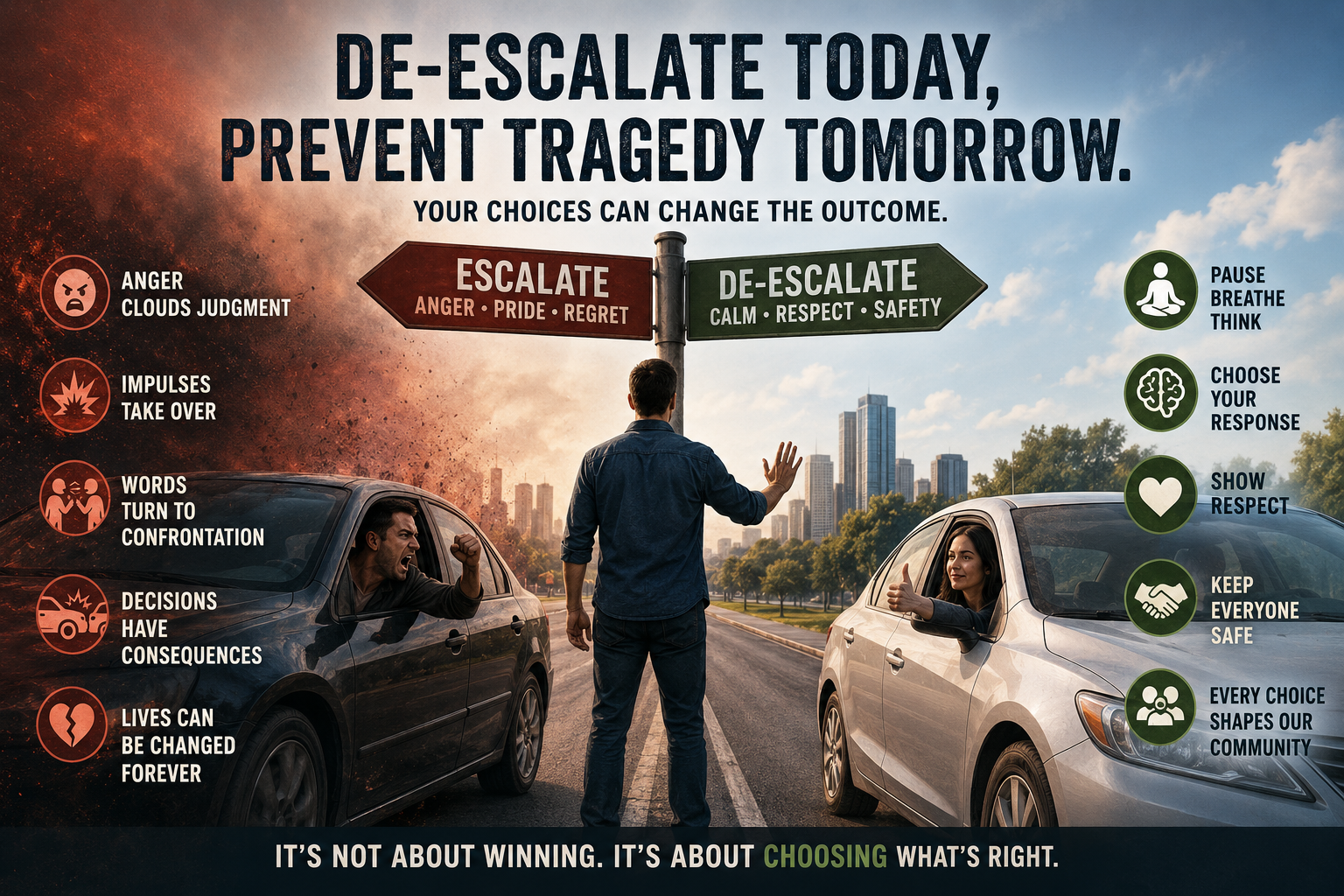
It began, as so many of these stories do, with something that should have been temporary—a traffic disagreement, a perceived slight, an emotional reaction. Within moments, frustration became anger. Anger became confrontation. Confrontation became irreversible.
One family went home without their son.
It raises a difficult question.
What is happening to us?
Because this isn’t just about traffic anymore.
We’re seeing it in workplaces.
We’re seeing it in meetings.
We’re seeing it online.
We’re seeing it in customer service.
We’re seeing it in our communities.
It feels as though the temperature of everyday life has risen.
Everyone Seems to Be Carrying More
Mental health experts often point to several contributing factors.
People are carrying heavier emotional loads than they were a decade ago.
- Financial stress.
- Constant bad news.
- Social media outrage.
- Political division.
- Workplace pressures.
- Lingering effects from years of disruption.
Many people are operating with very little emotional reserve. The smallest inconvenience can become the final straw because it isn’t really about the inconvenience—it’s about everything else they’re carrying.
Again, that doesn’t excuse poor behavior.
But it may explain why tempers seem shorter than ever.
The “Me First” Culture
Somewhere along the way, we’ve become increasingly convinced that every inconvenience is a personal attack.
Someone cuts us off.
A coworker disagrees with our idea.
A customer is frustrated.
Someone speaks abruptly.
Instead of asking, “I wonder what’s going on with them?” our first instinct often becomes,
“How dare they treat me this way?”
Our brains naturally interpret situations through our own perspective, but wisdom requires something more difficult:
Perspective.
Maybe they made a mistake.
Maybe they’re distracted.
Maybe they’re grieving.
Maybe they’re simply having a terrible day.
Or maybe they’re just wrong.
Regardless, we still get to choose our response.
De-escalation Is Not Weakness
Some people believe backing down means losing.
It doesn’t.
Walking away from an argument isn’t surrender.
Choosing not to yell isn’t weakness.
Refusing to match someone else’s anger isn’t letting them win.
It’s emotional intelligence.
In fact, the strongest people I know are rarely the loudest.
They know something many others forget:
Not every battle deserves to become a war.
In Construction, It Can Save Lives
In our industry, emotions have consequences.
Projects are stressful.
Schedules are tight.
Budgets are scrutinized.
Deadlines matter.
People disagree every single day.
But when tempers rise, communication falls.
And when communication falls, mistakes happen.
On a construction site, poor decisions made in moments of anger or distraction don’t just damage relationships—they can jeopardize safety.
The same principle applies whether you’re behind the wheel or leading a project meeting.
Stay calm.
Think clearly.
Respond intentionally.
The Pause That Changes Everything
Psychologists often talk about creating space between stimulus and response.
That space may only last five seconds.
But those five seconds can prevent years of regret.
Before responding, ask yourself:
- Will this matter tomorrow?
- Am I reacting to this situation—or everything else I’m carrying?
- Is proving I’m right worth damaging this relationship?
- Could simply walking away be the strongest decision I make today?
Most conflicts don’t need a winner.
They need someone willing to cool the temperature.
Leadership Starts With Self-Control
The best leaders aren’t simply intelligent.
They’re emotionally disciplined.
They don’t absorb every insult.
They don’t retaliate.
They don’t allow someone else’s behavior to dictate their own.
They understand that emotional control is contagious.
When one person stays calm, others often follow.
The opposite is equally true.
A Small Act That Could Save a Life
Perhaps the greatest lesson from these heartbreaking stories isn’t about road rage at all.
It’s about restraint.
The ability to pause.
To breathe.
To assume positive intent until proven otherwise.
To let someone merge.
To end an argument.
To choose peace over pride.
Every one of us has the power to interrupt escalation.
Not because we’re passive.
But because we’re wise enough to know that no momentary victory is worth a lifelong consequence.
In a world that seems to reward outrage, perhaps the most courageous thing we can do is become known as people who bring calm instead of chaos.
You never know whose life—including your own—may depend on it.