
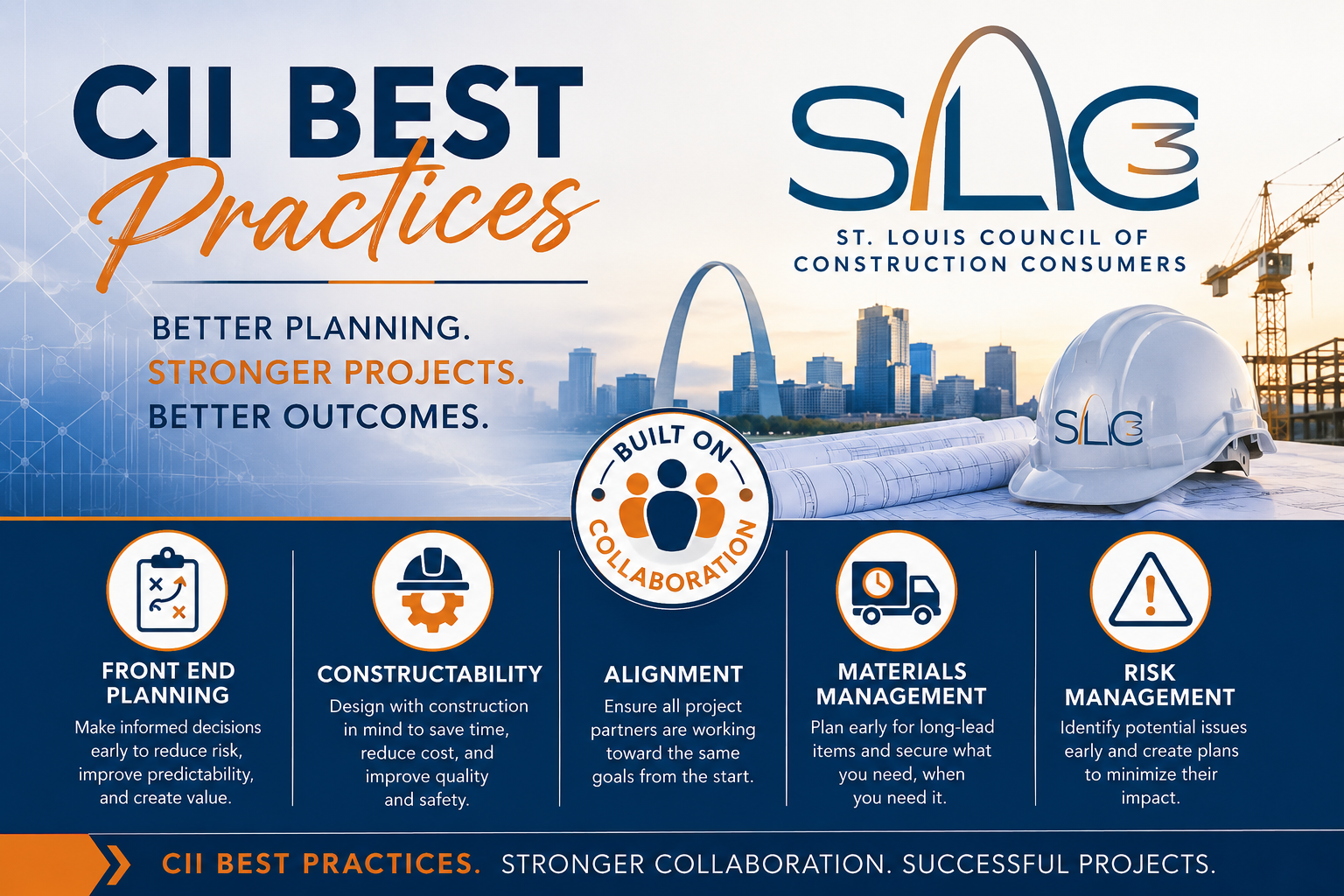
Materials Management: Procurement Has Become a Strategic Advantage
Not long ago, procurement was viewed primarily as an administrative function—order the materials, track delivery, and keep the project moving. Today, it has become one of the most strategic components of successful project delivery.
The Construction Industry Institute (CII) recognizes Materials Management as a Best Practice because the availability of materials directly impacts labor productivity, project schedules, and overall project performance.
In today’s market, it’s not uncommon for critical equipment such as electrical switchgear, transformers, generators, HVAC equipment, and specialty mechanical components to have lead times measured in months rather than weeks. If those materials aren’t available when the workforce is ready, valuable labor sits idle, schedules slip, and costs increase.
Forward-thinking owners are changing their approach by engaging procurement much earlier in the project lifecycle. Rather than waiting until construction begins, they’re identifying long-lead items during design, coordinating closely with suppliers, exploring alternate products when appropriate, and sequencing work around procurement realities.
This proactive strategy doesn’t just protect the schedule—it helps maximize the productivity of today’s limited workforce.
Questions Every Owner Should Ask
- What materials have the longest lead times?
- Can any critical equipment be released early?
- Are there approved alternate products if availability changes?
- How will procurement delays affect the construction schedule?
- Are suppliers communicating regularly with the project team?
As labor shortages continue and demand for construction grows, the companies that successfully integrate procurement into project planning will be better positioned to deliver projects on time and with fewer surprises.
Owner Takeaway
The right people can’t install materials that haven’t arrived. Strategic procurement planning ensures skilled labor stays productive instead of waiting on deliveries.
Industry Insight
Many of today’s highest-performing project teams now include procurement discussions during the earliest planning meetings—not after design is complete. By treating materials management as a project strategy instead of a purchasing task, owners can reduce risk, improve schedule certainty, and keep projects moving despite ongoing supply chain challenges.
Coming Next Week
Risk Management: Identifying Tomorrow’s Problems Before They Become Today’s Emergencies