The conversation around Diversity, Equity, and Inclusion has changed dramatically over the past few years. Many organizations have restructured or eliminated dedicated DEI roles, leaving professionals across industries wondering what comes next.
In the architecture, engineering, and construction (AEC) industry, the answer may not be to abandon the work, but to evolve it.
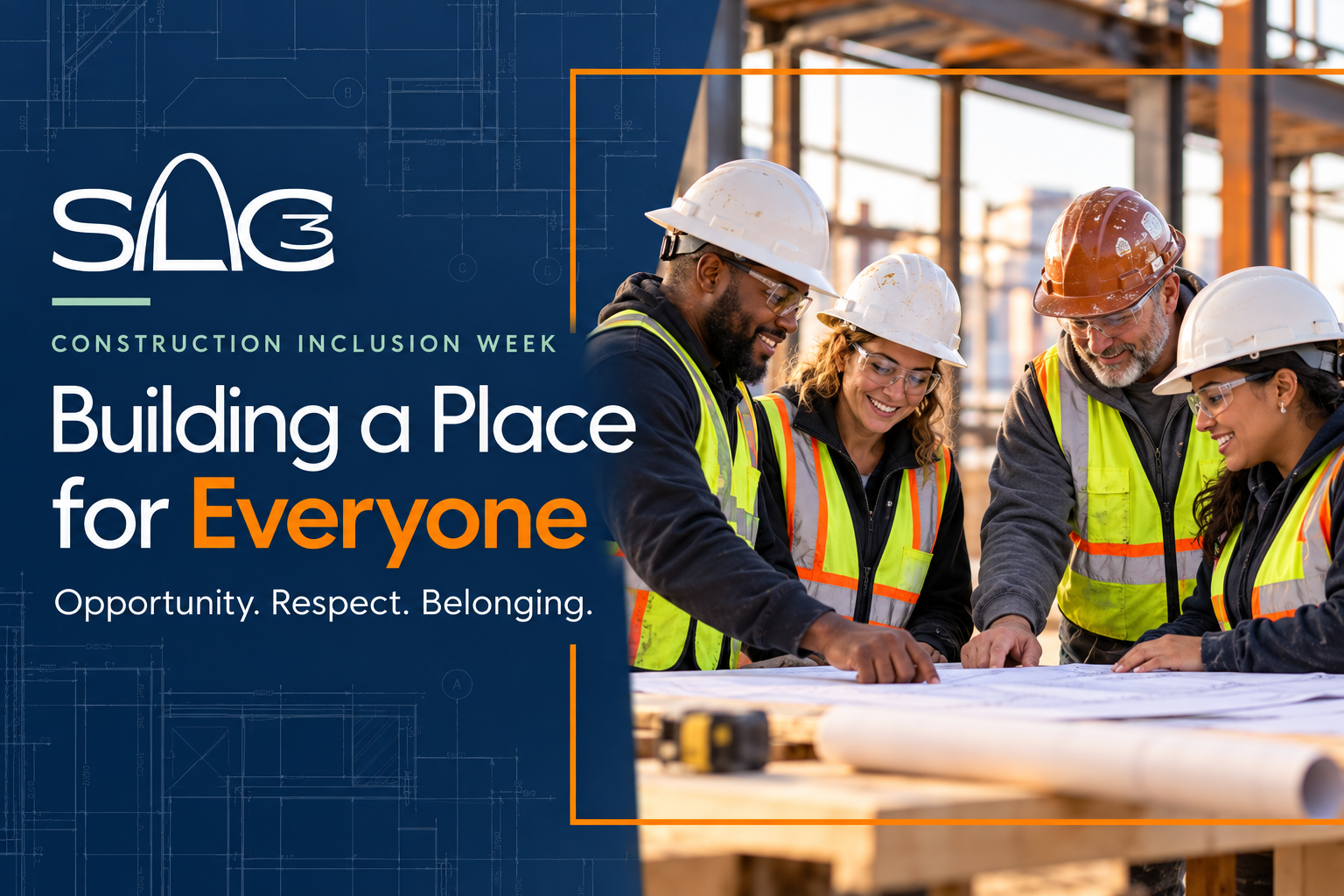
Our projects shape communities for generations. That responsibility extends beyond the buildings and infrastructure we create—it includes how we engage people, develop talent, and cultivate partnerships. Equity is not simply about representation; it is about creating fair access to opportunity.
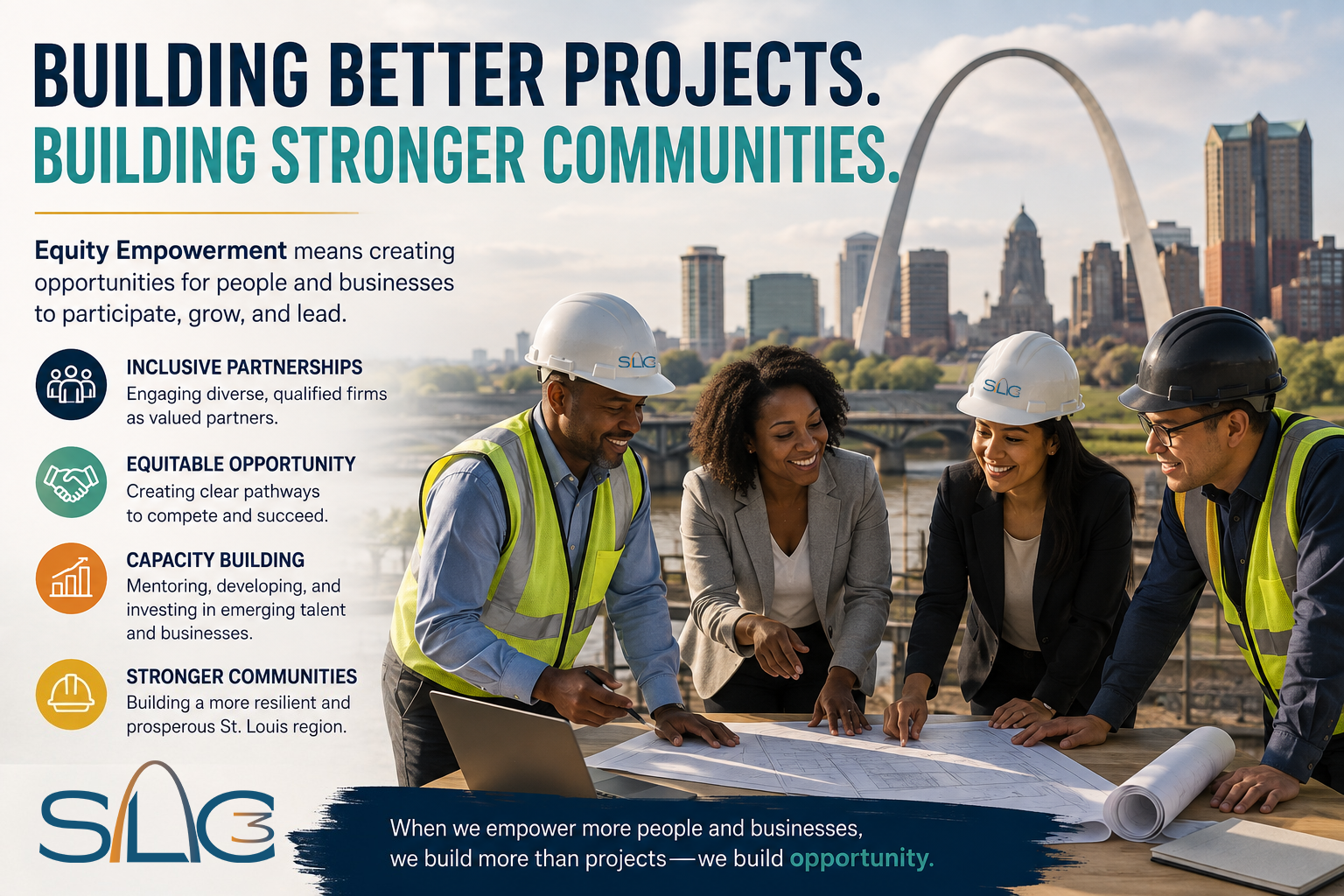
For many firms, this means broadening the focus from DEI programs to Equity Empowerment. It means ensuring that qualified minority-, women-, veteran-, and small-owned businesses have meaningful opportunities to compete, collaborate, and grow. It means mentoring emerging firms, fostering transparent procurement practices, and investing in relationships that strengthen the entire project team.
Inclusive partnerships are not about lowering standards—they are about expanding opportunity while maintaining excellence. By intentionally engaging a broader network of qualified partners, we bring new perspectives, strengthen community relationships, and contribute to a more resilient regional economy.
This is especially meaningful in regions like St. Louis, where history continues to influence access to opportunity. Our industry has the ability—and the responsibility—to help build pathways that support long-term economic growth and stronger communities.
The future of this work is not defined by a job title or a department. It is defined by the choices we make every day: who we mentor, who we invite to the table, and how we create opportunities for others to succeed.
Equity Empowerment is ultimately about building capacity, fostering collaboration, and ensuring that the success of our projects contributes to the success of our communities. That is a goal that transcends changing terminology and remains central to the future of our industry.