A New St. Louis Program Is Preparing Participants for Building-Trades Apprenticeships
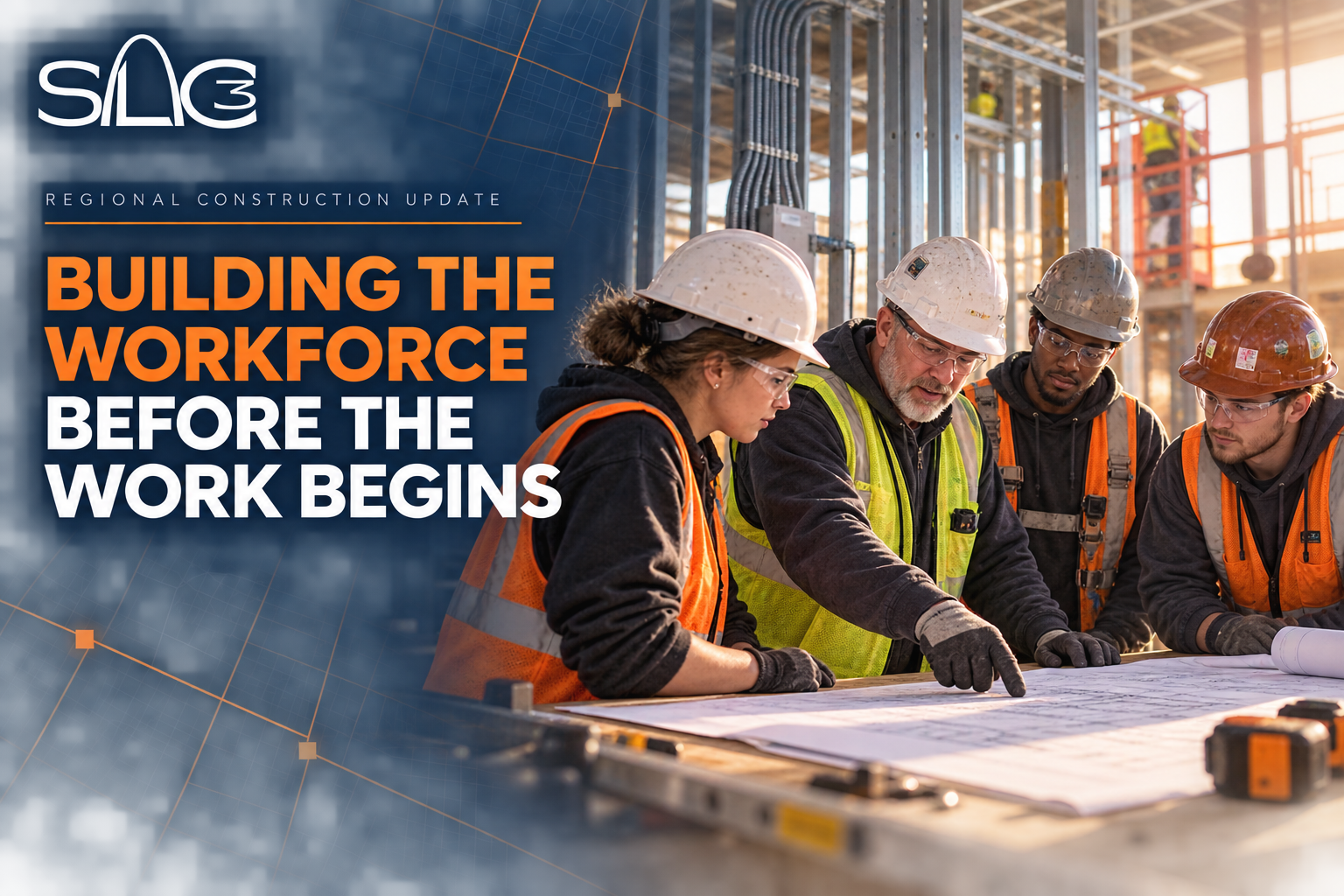
The construction industry cannot deliver tomorrow’s projects without building tomorrow’s workforce.
That effort gained new momentum this month as the Missouri Works Initiative launched a new St. Louis Apprenticeship Ready Program in Construction. The program runs from September 14 through October 16 and is designed to prepare participants to enter registered building-trades apprenticeship programs.
Rather than placing individuals directly onto jobsites without preparation, the program helps participants understand what the skilled trades require and equips them to compete for formal apprenticeship opportunities.
Apprenticeships Remain a Critical Entry Point
Registered apprenticeships offer one of the construction industry’s most effective workforce-development models. Participants earn wages while learning a trade through a combination of classroom instruction and supervised, hands-on experience.
However, beginning an apprenticeship can still present barriers.
Applicants may be unfamiliar with the available trades, entrance requirements, jobsite expectations or long-term career opportunities. Some need assistance developing basic industry knowledge and workplace readiness before they can successfully move into a registered program.
Apprenticeship-ready initiatives help bridge that gap.
Why Preparation Matters to Employers
Workforce development is not simply about bringing more people into construction. It is about helping people enter the industry prepared to remain, advance and succeed.
Participants who understand attendance expectations, jobsite culture, safety responsibilities and the demands of construction work are better positioned to complete apprenticeships and become productive journey-level workers.
That matters because the cost of workforce turnover extends far beyond recruitment. It affects productivity, training capacity, scheduling, safety and the ability to staff future projects.
Pre-apprenticeship programs can help create a more reliable pipeline by allowing individuals to make an informed commitment before entering a trade.
The Owner’s Role in Workforce Development
Owners may not directly recruit apprentices, but their project decisions influence the strength of the regional labor pipeline.
Long-term capital planning, realistic schedules, consistent project demand, and support for workforce partnerships all give contractors and labor organizations greater confidence to invest in training.
Owners can also ask important questions during procurement:
- How is the project team developing new workers?
- Which apprenticeship programs does it support?
- How will entry-level workers be trained and supervised?
- What steps are being taken to improve retention?
- How will workforce availability affect the project schedule?
These conversations make workforce capacity part of project planning instead of a problem discovered after construction begins.
Why It Matters to the Region
- The St. Louis region has billions of dollars in proposed and active construction work. Delivering that work will require more than projects, materials, and technology. It will require people.
- The new Apprenticeship Ready Program represents an important front door into the industry—one that can connect more St. Louis residents with sustainable careers while strengthening the labor pipeline available to regional owners and contractors.
- Workforce development is not separate from project delivery. It is one of the conditions that makes successful project delivery possible.