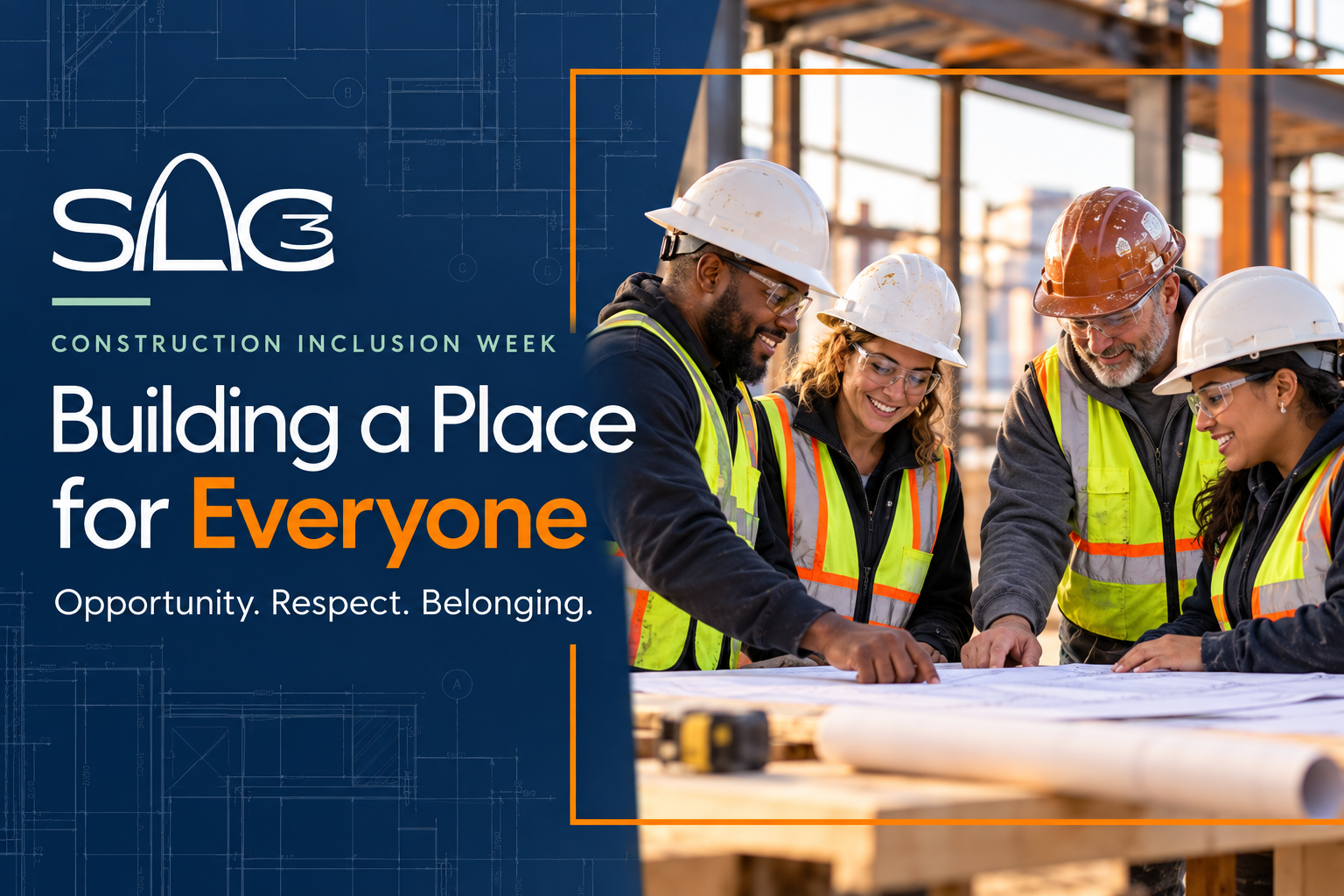
Construction depends on people. Every project brings together different skills, experiences, companies, and perspectives. Creating an environment where those people feel respected, supported, and comfortable contributing deserves attention throughout the year.
Construction Inclusion Week, observed October 12–16, 2026, offered the industry an opportunity to focus on expanding career opportunities, supporting professional growth, and building a sense of belonging. As the week concludes, the next step is carrying that focus into daily work.
From Welcoming People to Supporting Their Success
Getting someone interested in construction is only the beginning. What happens after they arrive matters, too.
Does a new employee know whom to ask for help? Can an apprentice raise a question without feeling embarrassed? Are employees given clear guidance and opportunities to develop their skills? Do project partners feel comfortable bringing a concern to the table?
These questions make inclusion tangible. They connect workplace culture to the conversations, decisions, and relationships that shape someone’s experience in the industry.
Construction Inclusion Week encourages participation across the project team, including owners, contractors, subcontractors, suppliers, architects, and engineers. Its emphasis on workforce development connects recruitment with the workplace conditions that help people stay and grow.
Small Actions Can Become Everyday Practices
For organizations across the greater St. Louis construction community, continuing the conversation can start with practical steps:
- Make onboarding more personal. Introduce new employees to the team, explain expectations, and identify a reliable person they can turn to with questions.
- Create opportunities for mentorship. Encourage experienced professionals to share their knowledge with apprentices, emerging leaders, and people entering construction from another career.
- Invite input. Give team members space to ask questions, identify challenges, and suggest improvements.
- Clarify paths for advancement. Help employees understand the skills, training, and experience needed to take their next step.
- Follow through on respect. Set clear expectations for professional conduct and address concerns consistently.
The official Construction Inclusion Week website also offers brief toolbox talks that organizations can use beyond the annual observance. Topics include mentorship, mental health, and psychological safety, providing starting points for team discussions throughout the year.
A Shared Responsibility Across the Industry
For SLC3’s community of owners, designers, contractors, and industry partners, this conversation connects directly to collaboration. Each organization helps shape the experience of the people working alongside it.
An owner can set expectations for respectful project environments. A contractor can support clear communication in the field. A design firm can make room for developing professionals to contribute. An experienced leader can help someone see a future in the industry.
Construction Inclusion Week provides a dedicated moment to reflect. The lasting value comes from what teams continue doing afterward: sharing knowledge, opening opportunities, listening to one another, and helping people succeed.
Explore Construction Inclusion Week resources.